Everything still comes back to you
- Do pricing, hiring and priority calls still land on your desk?
- Does work stall when one or two people are on holiday?
- Are your best people carrying far more than their job description?
Target operating model
Target operating model (TOM) design for businesses of typically 50 to 500 people.
When we interview people across a business, the pattern is usually the same. Leaders can see the problems. So can their teams. Nobody owns fixing them, and nobody has the time. That's what we design for.
For MDs, founders and leadership teams of businesses of typically 50 to 500 people. No deck, no pitch on the call.
You'll recognise some of these
Here's what that looks like at your size.
The cost of leaving it
When the system doesn't make sense, people work around it. That costs you in places that rarely show up on one report: new business, margin, customer experience, referrals and the people you can't afford to lose. A few good people absorb the strain until they don't.
The status quo survives because everyone is busy keeping the lights on. Everyone can see their part of the problem. Nobody's job is to fix all of it.
Every team describes the same broken chain. Each one blames the next link.
What a target operating model is, in plain words
A target operating model (TOM) is a clear description of how your business needs to run to deliver its strategy: who decides, who owns which work, how it flows and how it's measured.
It starts from your customers and the value you deliver, then works back to structure. Who decides what. Which teams own which work. How priorities flow from strategy into weeks. Which meetings matter and what each one decides. The gap between where you are and that picture becomes your plan.
It starts from your strategy. If you don't have one your team believes in, we start there.
We build on the frameworks you already use, whether that's OKRs, a balanced scorecard, V2MOM or your own. If you want OKRs as part of the new rhythm, we can set them up as we go.
Boxes and reporting lines. It says who you report to, not how work gets done.
Every part connected. Change one and the rest moves with it.
Design the system, not the org chart.
What you'll hold
Detailed enough to act on, not so detailed it's out of date by launch. Built from a current state assessment and design principles your team agrees, and connected to your budget, hiring plan and roadmap, so it doesn't become a deck on a shelf.
Strategy and customer promise at the top, then how you deliver it on a single page. If people read one thing, it's this.
The 15 to 30 things the business must be good at, shaded by importance and maturity. The gaps jump out.
The future structure, with roles and accountabilities rather than names, plus spans and layers.
Who decides the big recurring calls: pricing, hiring, spend and priorities. Often the most valuable page.
Two or three end-to-end journeys, like lead to cash or hire to productive, with handoffs and owners.
The sequence of outcomes that builds towards your destination, and what changes, in what order, over the next 6 to 18 months.
A few goals written as outcomes, each with an owner, the work across teams lined up behind them, and the meetings and measures that keep it on track.
How we'll communicate the change, using the SCARF model (status, certainty, autonomy, relatedness and fairness) so people want it rather than resist it.
Three ways to work with us
Light
Best when the model mostly works, with a few sticking points.
Confidential one-to-one interviews with your leadership team and the people who do the work, then a one-day workshop where your team agrees what changes. You leave with three to five agreed shifts, each with an owner.
Typically 2 to 4 weeks
Standard
Most commonBest when it needs refocusing for what comes next.
Everything in Light, plus small working groups that design the detail: roles, decision rights, core processes and your management rhythm. Ends with a TOM and a sequenced roadmap.
Typically 12 to 24 weeks
Full
Best when it needs rebuilding, and you want it to stick.
We stay. ZOKRI people work inside your business on the changes, with weekly check-ins on progress and confidence, and quarterly reviews. Each quarter we agree the measures we're held to. If they aren't moving, you can stop with one month's notice. Every change connects to your budget, hiring and roadmap.
Typically 6 to 12 months
Not sure which? That's what the first call is for. If you don't need us, we'll say so.
How it works, and what you'll hold
Confidential one-to-ones with leaders and the people who actually do the work. They say things to us they won't say in a meeting.
We play back the themes anonymously, with your numbers alongside them.
A one-day workshop where your team agrees the shifts. We chair it neutrally.
Small working groups turn the shifts into role and goal clarity, better org design, faster decisions, an operating rhythm, faster learning loops and plans that adapt.
Optional. We stay to make it happen and hold everyone to it, including ourselves.
↺ Each quarterly review loops back to Diagnose.
Before the workshop
60 to 90 minutes each. We find out where work gets stuck, which decisions bounce back to the leadership team, and more, then feed the themes back anonymised.
The current org chart, headcount and cost by team, the capability map shaded for maturity, and two or three process pain points with evidence. Nobody should see key data for the first time on the day.
For example, each person writes down their top operating problems and the things the business should stop doing.
8 to 12 people who will decide or own the change.
Who you'll work with
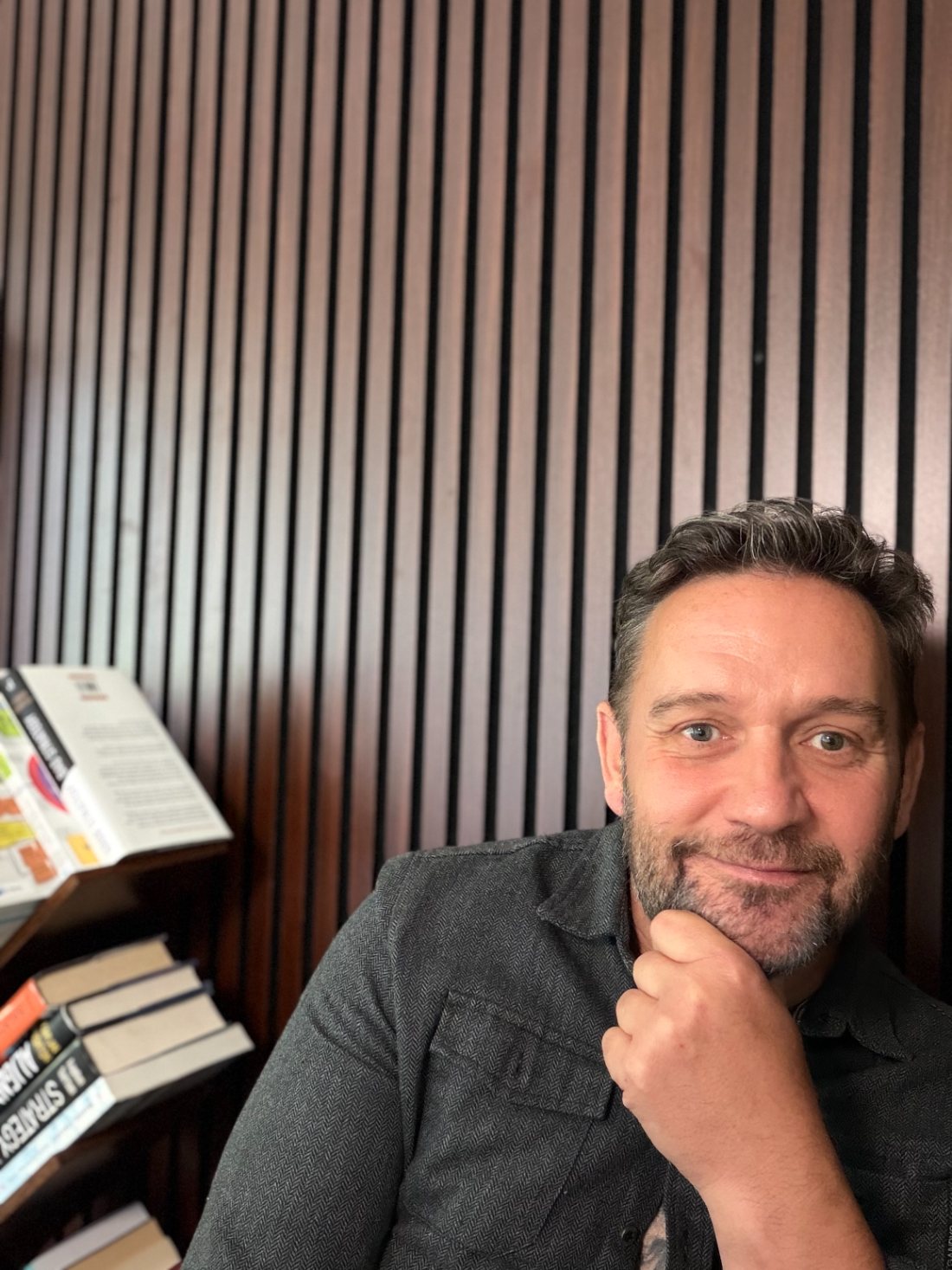
Diagnosis, system design, mentoring and accountability partner.

Diagnosis, system design, mentoring and accountability partner.
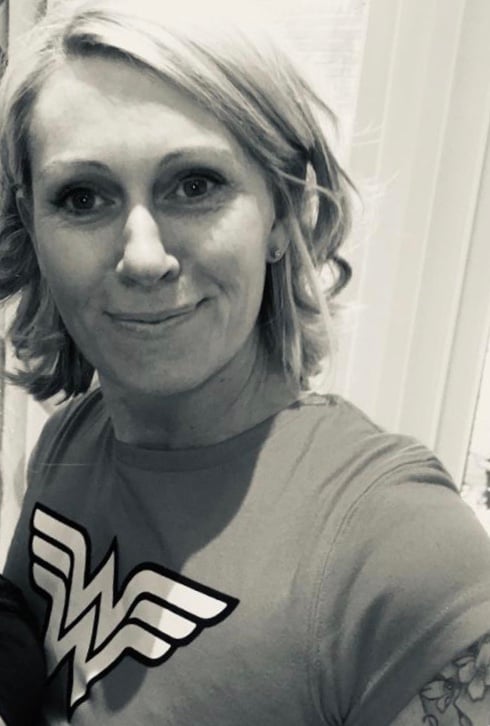
Diagnosis and change management.
A target operating model (TOM) is a clear description of how your business needs to run to deliver its strategy: who decides what, which teams own which work, how work flows, where it happens and how it's measured. The gap between today and that picture becomes your plan.
Most TOMs cover the same core building blocks, often summarised as POLISM: processes, organisation, locations, information, suppliers and the management system. We add people and capabilities, because a design your people can't run doesn't work. For a business your size it's a light pack of 10 to 15 pages: a one-page summary, capability map, org design, decision rights, core process flows, a roadmap of value streams, goals with outcomes and the rhythm that keeps them on track, and how the change will be communicated.
For businesses of 50 to 500 people, a light review takes 2 to 4 weeks, a full design 12 to 24 weeks, and design with delivery 6 to 12 months.
Organisational design covers structure and roles. A target operating model also covers decision rights, processes, locations, suppliers, information and the management rhythm, so the structure has a system that makes it work.
Not by default. Most businesses our size are under-structured, not over-staffed. If role changes come up, we'll say so early and help you handle them well.
About half a day per leader for interviews and pre-work, plus the workshop day. Working groups take a few hours a week.
Most restructures change the boxes and leave decisions, incentives and rhythm untouched. That's why we start there.
Yes. The same problems show up after a merger, a difficult few years, a new leader or a long system rollout. The trigger is that how you run no longer fits what you need to do next.
Often it helps. We design around what the group decides and focus on what your leadership team can change.
No. We build on the goal framework you already have, whether that's OKRs, a balanced scorecard, V2MOM or something of your own. If OKRs would help, we can make them part of your management rhythm and teach your team by setting real ones.
It depends on the option. We'll give you a fixed price after the first call.
A 30-minute call. You describe how things work today, we ask the questions we'd ask in an interview, and you leave with at least one thing worth fixing, whether or not we work together.
Book a 30-minute callMatt, ZOKRI