Strategy execution for leadership teams

We help leadership teams turn a plan into progress: a shared understanding of the strategy, better ideas and choices, a team ready to deliver, and support until the results arrive.

From plan to progress. We meet you where you are. If you use OKRs, a different framework or nothing formal at all, we work with it. If you want to learn OKRs, we teach them by planning yours, and the same goes for our software.

For start-ups, scale-ups, transformations and turnarounds that need the plan to become results.

A meeting room glass wall covered in sticky notes, sorted under four headings: Ideas, Themes, Choices, Goals.
Ideas, themes, choices, goals

From plan to progress, in five parts

Use all five, or only the parts you need.

  1. Shared understandingStrategic communication that helps everyone explain the strategy in their own words, and know what it means for their work.
  2. Ideas and choicesIdeas gathered and valued before the room meets, then chosen together in a facilitated session, so the best ideas win rather than the loudest.
  3. Team readinessWhether the people, skills, structures and capacity are there to deliver, and what to fix first.
  4. MindsetThe habits that help teams take on hard goals: focus, learning from experiments, and staying calm under pressure.
  5. MentoringRegular mentoring for the people who own the goals, so progress keeps going long after the planning day.

Meet you where you are

  • Your framework, or none

    OKRs, V2MOM, Rocks, SMART goals, a hybrid or nothing formal. The method fits your organisation, not the other way round.

  • Learn OKRs by planning OKRs

    If you want OKRs, your team learns them by writing its own, on real goals, which is the fastest way to learn.

  • Software if it helps

    Our ZOKRI software can run the asynchronous ideas, goal tracking and AI coaching between sessions. It is optional, and we work just as well with the tools you already have.

Popular modules

Built into your sessions, run as standalone workshops or supported by mentoring.

  • Strategic Communication
    That Lands
  • Measuring
    What Matters
  • The Experimentation
    Mindset
  • Predicting the Expected
    Value of Ideas
  • The Neuroscience
    of Change
  • Courageous
    Conversations
  • Objectives and Key
    Results (OKRs)
  • Unlocking the Power of
    Neurodiversity in the AI Age

Why us

  • Done it a lot

    More than 100 OKR implementations across 15+ enterprise organisations, and 20+ years in strategy execution.

  • The rhythm after the plan

    Check-ins, reviews and resets, which is where most plans quietly die.

  • The same people throughout

    The people who help you plan stay with you to results. No hand-over to a delivery team.

4 ways to work with us

Opens a multi-day retreat

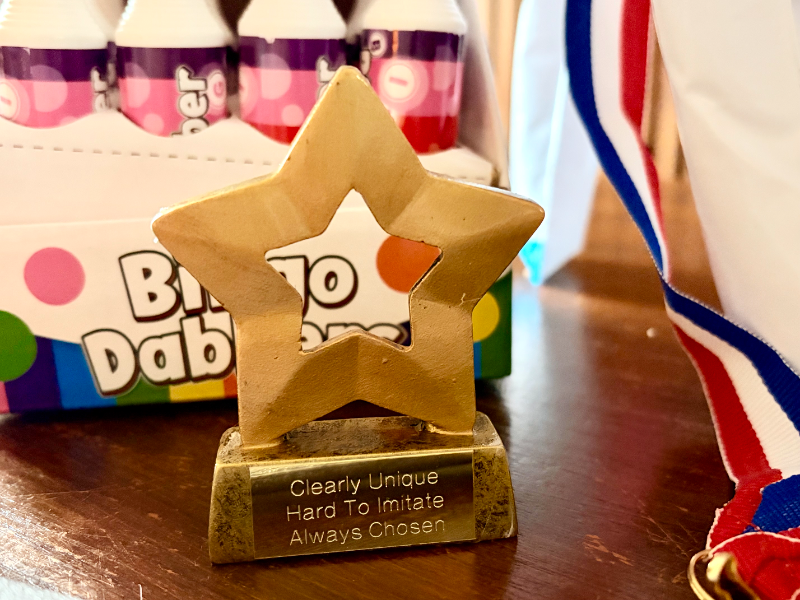
Serious planning. Silly props.

Four hours with Collette Easton and Matt Roberts: two 2-hour sessions with lunch in the middle. Inflatable unicorns, sacks of gold and a car dealer's coat, in service of a plan your team believes in. You run the days after, or bring us back.
See how the session works

  • Gather insights and prepare to plan

    Discovery one-to-ones

    Private conversations with your attendees, your customers or the customers you want, so the day starts with what people think.

  • A full day

    A facilitated planning day

    We design it with you, run it and debrief with you, along with any follow-on activities.

  • Two days or more

    Formal multi-day planning

    Diagnosis, choices, goals and the operating rhythm that carries them, chaired from start to finish.

No slides. No flipchart graveyard.

Your team works on the plan instead of watching one.

We bring canvases, visual frameworks and exercises designed for leadership teams. Each gives a messy question a shape everyone can see, argue with and add to. Because the thinking is captured as it happens, it turns into priorities, owners and dates, not a photo of a whiteboard nobody opens again.

Canvases

Best-practice large-format visuals to get the whole room thinking aligned and on task.

Visual frameworks

The tools behind good strategy, made simple enough to use mid-argument.

Exercises

Built to challenge thinking, from the pre-mortem to the confidence vote.

Who this is for

Senior leadership teams of companies of every size.

Size

Most are 20 to 200 employees, and larger companies are easily supported.

Group

From a single leadership team to large groups working across multiple breakout rooms.

Stage

  • Start-ups
  • Scale-ups
  • Transformations
  • Turnarounds

Why bring in a facilitator

What we do that is hard to do from inside your own team.

  • We do the prep

    One-to-ones, pre-work and the data, ready before anyone sits down.

  • Structure that works

    Frameworks proven in hundreds of sessions, fitted to what you need to decide.

  • The skills to run the room

    Timing, pace and the recovery moves when a conversation stalls.

  • Objective and neutral

    No budget to protect, so we can challenge anyone, including the CEO.

  • We spot the patterns

    The things people keep circling back to, which are hard to see from inside the team.

  • We read the room

    Who has gone quiet, who is holding back, and when to push or pause.

  • We coach in between

    Support for the people who own the next steps, so momentum carries.

  • We adapt on the day

    Because we do this a lot, we change the plan when the room needs it.

What you can count on

Whoever's in the room, every session we run meets the same standard.

  • Experienced facilitators

    More than 500 workshops facilitated, by people who have built, run and sold companies. Collette Easton is an Association for Coaching accredited executive coach.

  • Success agreed first

    Before we design anything, we agree with the sponsor what the session has to achieve, and build every part of it around that.

  • Speaking your language

    Matt Roberts has been a founder, CEO, Chief Strategy Officer and Chief Product Officer, and began his career in ad agencies. He has worked across every function, so he speaks your team's language and nothing slows down.

  • Every voice heard

    We talk to attendees beforehand, and chair the room so the most senior voice never sets the frame.

  • Nothing lost afterwards

    Decisions, owners and dates are captured as they happen, and the follow-ups are agreed before anyone leaves.

Skills your team builds by doing the planning

We don't teach theory. Your team learns these by planning its real year, with us alongside.

  • Estimating the value of an idea

    Put a rough value on each option before anyone argues for it, so the debate is about evidence, not volume.

  • Goal writing

    Write goals that will move you forward faster, educate the reader, and inspire the team pursuing them. If you want to learn a framework like OKRs while you plan, we can do that too. It's the best way to learn.

  • Experiments with learning loops

    Turn uncertain bets into small tests, each with a date to review what you learned.

  • Goal resourcing

    Match people, skills, team structures, leads and money to the few goals that matter most, so progress comes faster.

Why do we sometimes use props and humour?

Every silly thing in the room has a serious job. This is the research it rests on.

2 years

In 54 real team meetings, humour followed by laughter predicted how well teams performed, straight afterwards and again two years later.

Source: Lehmann-Willenbrock and Allen, 2014

85%

of 106 C-suite executives agreed their organisations were bad at diagnosing problems. Creative answers usually come from redefining the problem first.

Source: Wedell-Wedellsborg, Harvard Business Review, 2017

18%

of groups picked the best option when the key facts were spread across people, against 83% when everyone had the full picture. One-to-ones bring the hidden facts out.

Source: Stasser and Titus, 1985, reported in Schulz-Hardt et al.

Comedy

People who watched a comedy solved more puzzles through sudden insight than people shown a scary film or a lecture.

Source: Subramaniam, Kounios, Parrish and Jung-Beeman, 2009

Who'll be in your room

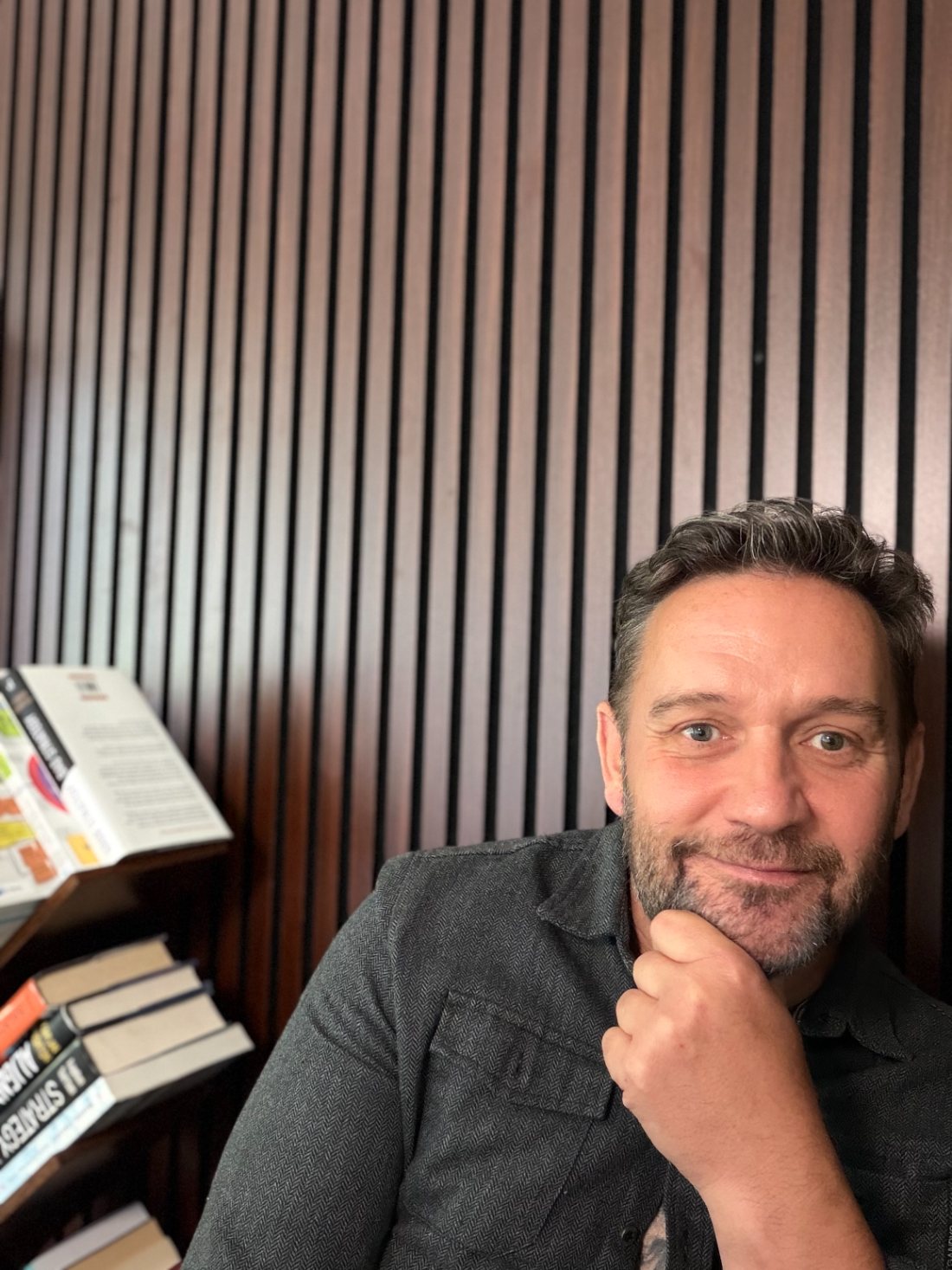
Matt Roberts

Matt Roberts

Strategy consultant, co-founder of ZOKRI

Matt on LinkedIn

  • Two-time SaaS founder. Co-founded Linkdex, backed by Amadeus Capital Partners and 500 Global, and led it to a trade sale.
  • Eight years building operating systems inside companies from tens to low thousands of people.
  • Has been a founder, CEO, Chief Strategy Officer and Chief Product Officer, and began his career in ad agencies, so he speaks the language of every function at the table.
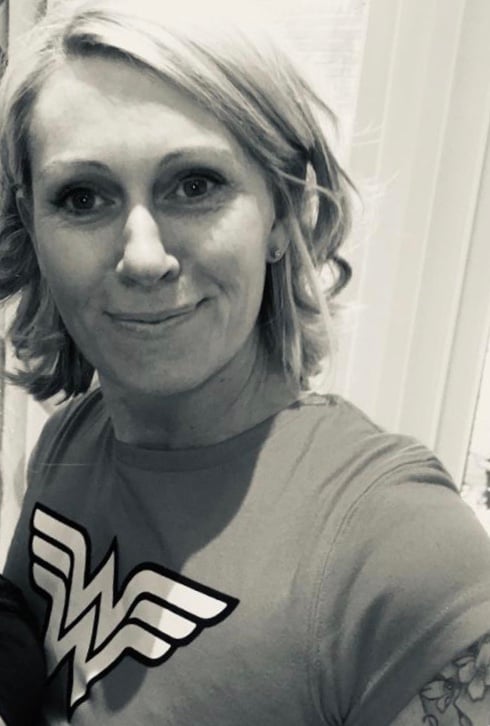
Collette Easton

Collette Easton

Executive coach

Collette on LinkedIn

  • Built and sold three companies over 20 years, most recently as CEO of Yard Digital.
  • Association for Coaching accredited, and an APMG-accredited Neuroscience for Change Management Practitioner.
  • Speaker at BrightonSEO 2026.
500+ workshops facilitated100+ organisations20+ years in strategy execution

The ZOKRI team has worked with Legal & General, Absa, SAP, Microsoft, Sage, Chargebee, Jaguar Land Rover, Rolls-Royce, News UK, ITV, ASOS and Virgin Atlantic.

Nicky Wake

"This is the most fun planning I have ever had. Every SLT needs to do this."

Nicky Wake, Don't Panic

Questions people ask first

What's the difference between strategy and strategy execution?

Strategy is the set of choices about where you will win and how. Execution is everything that turns those choices into results: shared understanding, priorities, owners, capacity and a rhythm that keeps it on track.

Do we have to use OKRs?

No. We meet you where you are, with your framework or none. If you want OKRs, we teach them by planning yours, so your team learns on real goals.

How long does strategy execution support last?

Usually a planning cycle or two, often a quarter to a year. Mentoring can continue for as long as it helps, and you can stop at any point.

How does this connect to a planning day or retreat?

The planning day or retreat makes the choices. Strategy execution makes them stick. Many teams start with one and continue with the other, with the same people throughout.

Do we have to use OKRs?

No. We work with OKRs, V2MOM, Rocks, SMART goals and hybrids of them. The method fits your organisation, not the other way round.

What does it cost?

We quote after a 30-minute call, once we know the size of the group, how long you have and what you need decided by the end.

Tell us what has to be decided.

Thirty minutes with Matt Roberts. Tell us who'll be in the room and what you need by the end, and we'll tell you how we'd run it.