Strategy workshop exercises that do real work

The best strategy workshop exercises turn discussion into decisions: a pre-mortem finds what could kill the plan, a confidence vote tests real agreement, and canvases give the whole room one shared picture.

These are three of the exercises we use most with leadership teams, explained properly, so you can run them yourself. Each one has a serious job, even when the room is laughing.

For strategy days, planning workshops, leadership offsites and retreats.

A meeting room glass wall covered in sticky notes, sorted under four headings: Ideas, Themes, Choices, Goals.
Ideas, themes, choices, goals

Exercise 1

The pre-mortem

Imagine it is a year from now and the plan has failed. What killed it? It makes it safe to be critical, and the plan gets stronger for it.

How to run it

  1. Write the plan or decision on the wall in one sentence.
  2. Say: "It's a year from now. This failed. Write down every reason why." Give everyone five minutes, in silence.
  3. Go round the room, one reason each, until the list is complete. No debate yet.
  4. Group the reasons, then vote on the three most likely and the three most damaging.
  5. For each of those, agree an early warning sign and what you will do if you see it.

Why it works

Imagining an event has already happened makes people far better at explaining why. Gary Klein popularised the pre-mortem for project teams, building on research into prospective hindsight. It also gives quieter people permission to voice doubts they would otherwise keep to themselves.

Source: Klein, Harvard Business Review, 2007. More in our guide to the pre-mortem.

Exercise 2

The confidence vote

Before a decision goes on the wall, everyone shows one to five fingers at the same time. A room of threes is not agreement.

How to run it

  1. State the decision exactly as it will be written down.
  2. On a count of three, everyone shows one to five fingers. Five means "fully behind it", one means "I can't support this".
  3. Anyone at two or below says what would move them to a four. Listen, don't argue.
  4. Change the decision if what you hear is right, then vote again.
  5. Record the final vote next to the decision, so you can see later how sure you were.

Why it works

Silence is often read as agreement. Voting at the same moment stops people following the most senior person, and asking the twos turns quiet doubt into something the team can fix before it leaves the room.

Exercise 3

Canvases

Large-format visuals that give a messy question a shape everyone can see, argue with and add to. Stickies go on, move around and come off, so the thinking is captured as it happens rather than lost on a flipchart.

We use many canvases and visual frameworks, chosen for the work your team needs to do. Here are three examples.

The confidence line

How sure are we, really? Each idea goes where its strongest evidence sits today, from "I believe it" to "We were right". Then the team finds the fastest, cheapest way to test it, and agrees up front what would change its mind. Adapted from Itamar Gilad's Confidence Meter. See also confidence assessment.

The confidence line wall canvas, from I believe it at 0.02 to We were right at 0.95Click to enlarge
The confidence line

The goal canvas, part 1

From ambition to action: the objective, why it matters, the metrics you want to move, and the work that will move them, split into initiatives, experiments and process commitments.

The goal canvas part 1: objective, why, metrics, and lanes for initiatives, experiments and process commitmentsClick to enlarge
The goal canvas, part 1

The goal canvas, part 2

Making it happen: the skills it takes, who you need and when over twelve weeks, and what is in the way, with early warning signs and a plan for each.

The goal canvas part 2: skills, a twelve-week people plan and obstaclesClick to enlarge
The goal canvas, part 2

A few more examples

From the many exercises we choose between.

  • Write first

    Everyone writes their ideas silently before anyone speaks, so the most senior voice doesn't set the frame.

  • 1-2-4-All

    Think alone, then in pairs, then fours, then the whole room. Every voice is in within minutes. From Liberating Structures.

  • Design the perfect failure

    List every way to guarantee you miss your targets, then spot what you already do that looks like it. Based on TRIZ, from Liberating Structures.

Who'll be in your room

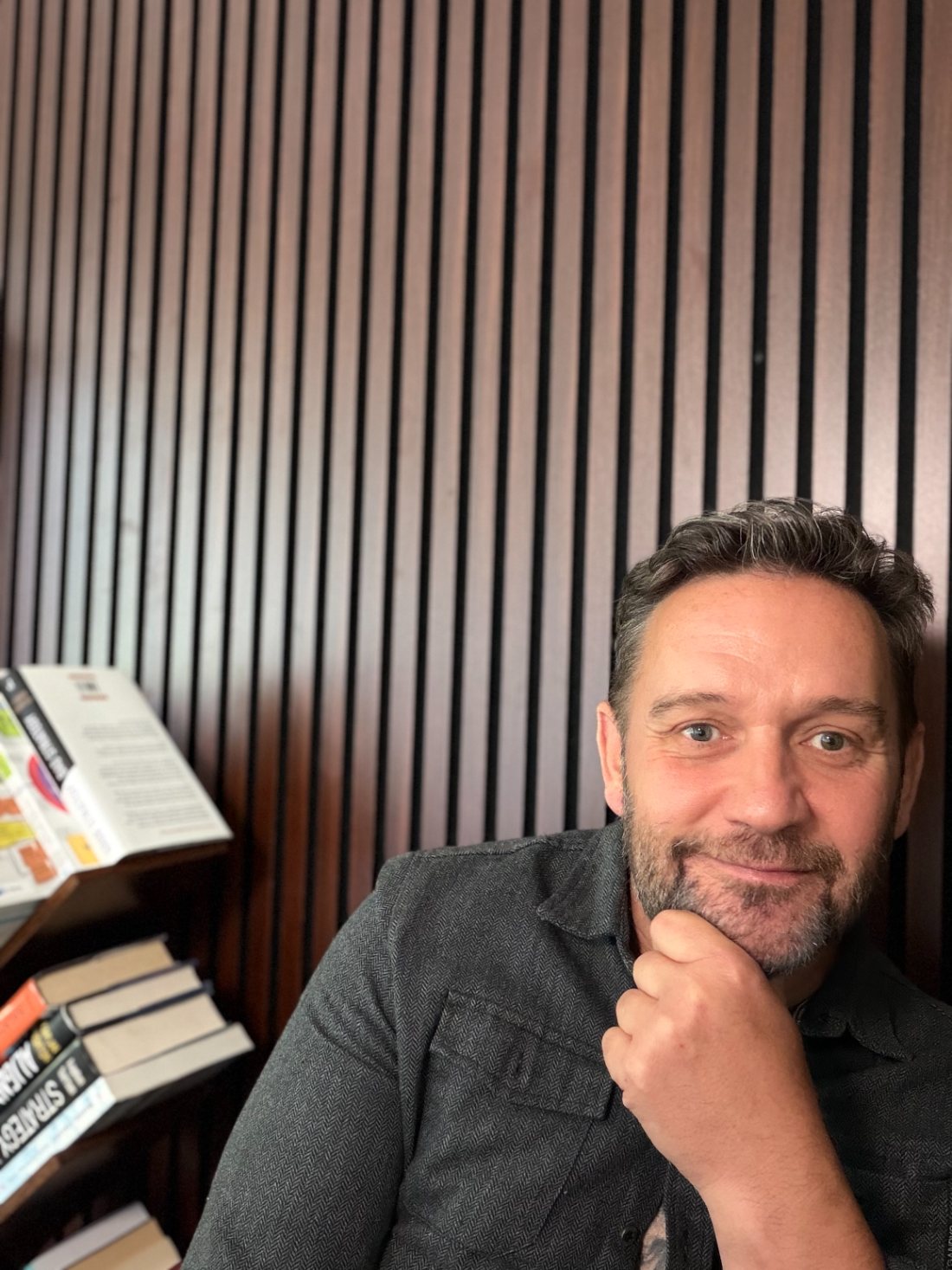
Matt Roberts

Matt Roberts

Strategy consultant, co-founder of ZOKRI

Matt on LinkedIn

  • Two-time SaaS founder. Co-founded Linkdex, backed by Amadeus Capital Partners and 500 Global, and led it to a trade sale.
  • Eight years building operating systems inside companies from tens to low thousands of people.
  • Has been a founder, CEO, Chief Strategy Officer and Chief Product Officer, and began his career in ad agencies, so he speaks the language of every function at the table.
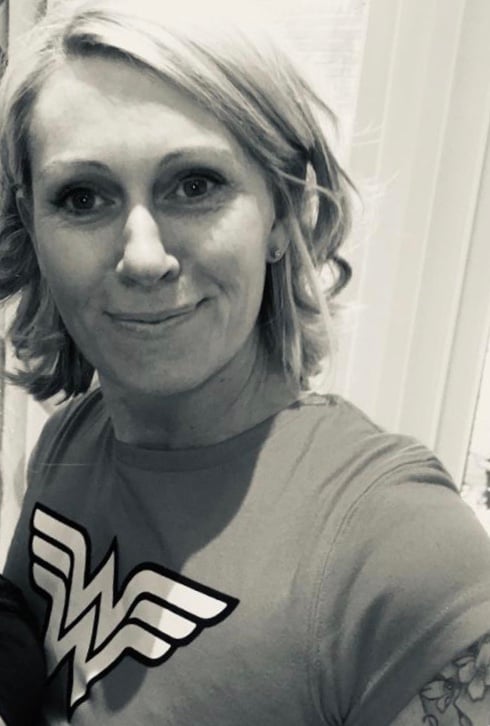
Collette Easton

Collette Easton

Executive coach

Collette on LinkedIn

  • Built and sold three companies over 20 years, most recently as CEO of Yard Digital.
  • Association for Coaching accredited, and an APMG-accredited Neuroscience for Change Management Practitioner.
  • Speaker at BrightonSEO 2026.
500+ workshops facilitated100+ organisations20+ years in strategy execution

The ZOKRI team has worked with Legal & General, Absa, SAP, Microsoft, Sage, Chargebee, Jaguar Land Rover, Rolls-Royce, News UK, ITV, ASOS and Virgin Atlantic.

Questions people ask first

What is a pre-mortem in a strategy workshop?

A pre-mortem asks the team to imagine the plan has already failed and list the reasons why. It surfaces risks people would otherwise keep quiet about, while there is still time to fix them.

What is a confidence vote?

Everyone shows one to five fingers on a decision at the same time. Anyone at two or below says what would move them to a four, so quiet doubt gets heard before the decision is final.

Can we run these exercises without a facilitator?

Yes, and this page is written so you can. A facilitator helps most when the stakes are high, the CEO has a strong view, or the team has been avoiding a conversation.

Tell us what has to be decided.

Thirty minutes with Matt Roberts. Tell us who'll be in the room and what you need by the end, and we'll tell you how we'd run it.