Workshops that are won or lost before anyone sits down.
Most planning days fail in the room because nobody prepared the room. We agree what success looks like, prime the people and the data ahead of time, then run the day itself: engaged, unhurried, expertly facilitated, outputs captured, not reconstructed from memory afterwards.
Some of the biggest decisions your company will make happen over a few planning days a year. Imagine not giving those days your all.
We design the process, prime the room before it arrives, run the workshop itself, then make sure what got agreed actually gets delivered.
Most planning workshops I've watched fail were lost weeks before the invite went out. Nobody agreed what a good outcome looked like, so the room spends the first two hours arguing about that instead of doing it. Nobody primed the attendees, so they arrive cold, defend their existing view, and the loudest person wins by default.
So the workshop itself is the smallest part of what we do. We agree success up front, design and share the process so nobody's surprised, and get people thinking about the real opportunities and issues, with real data behind them, before they walk in. That's what lets a room actually engage on the day: no time-boxing that kills a good conversation early, a mix of formats and media because nobody thinks well in only one mode, and a facilitator whose only job is the room, not an opinion in it.
Then we capture the outputs properly, agree the follow-ups before anyone leaves, and coach whoever owns the resulting plan through however many iterations it needs. A workshop that produces a good document nobody acts on is a wasted day dressed up as progress.
Before, during and after the room.
Agree what success looks like
Before anything gets designed, we agree with you what a good outcome from the day actually is.
Design and communicate the process
Every attendee knows what's going to happen and why, so nobody arrives suspicious of the format.
Prime individuals and teams
We get people thinking about the real opportunities and issues ahead of time, not cold in the room, and pre-brief them on any new frameworks the day will use, such as goal-setting or prioritisation frameworks, so nobody is learning the method and doing the work at the same time.
Get data to support ideas ahead of time
Opinions arrive with evidence behind them, so the day argues about the right things.
Arrive primed and ready to do the work
By the time the room opens, everyone's already done the thinking the day needs from them.
The workshop itself
Engaged teams, no rigid time-boxing that kills a good conversation early, multiple media and formats, expertly facilitated, outputs captured as they happen.
Follow-ups agreed and delivered
Nothing gets left as a vague action from a slide nobody reopens. Owners and dates are set before people leave.
Coaching where the plan needs iteration
Planning documents and artefacts rarely land right first time. We coach whoever owns them through the rounds it takes.
Why your own leadership team shouldn't run the day
Someone on the SLT could hold the agenda. They shouldn't hold the room.
Whoever holds the pen also holds a view on the outcome.
A neutral chair has no stake in which option wins, so the room trusts the process rather than watching for the thumb on the scale.
Reporting lines, history and favours owed all sit in the room with them.
People agree with the most senior voice more than they'd admit. An internal facilitator can't referee a dynamic they're part of.
Someone still has to run the business while the workshop is being designed.
Facilitation is a craft with its own techniques, timing and recovery moves. Practised occasionally, it shows.
New energy, new skills, new perspectives, and the freedom to play good cop and bad cop in the same afternoon.
An external facilitator can push the room harder than a colleague could get away with, then defuse it a minute later, because nobody has to work alongside them on Monday. That range is very hard to get from inside the org chart.
The skills a great facilitator brings to the room.
The short version.
What is planning workshop facilitation? +
The design and running of a planning session by a neutral, expert facilitator: agreeing what success looks like beforehand, priming attendees with data and questions ahead of time, running the session itself, and making sure the agreed follow-ups actually get delivered.
Why not just run the workshop ourselves? +
Someone inside the room can't referee it and contribute to it at the same time. An external facilitator manages the politics, timing and format so your leaders can focus on the decisions, not the process. See where facilitation adds value.
What happens after the workshop? +
Outputs are captured in the room, not reconstructed afterwards. We agree the follow-ups on the day and can coach whoever owns each planning artefact through the iterations it needs to become real.
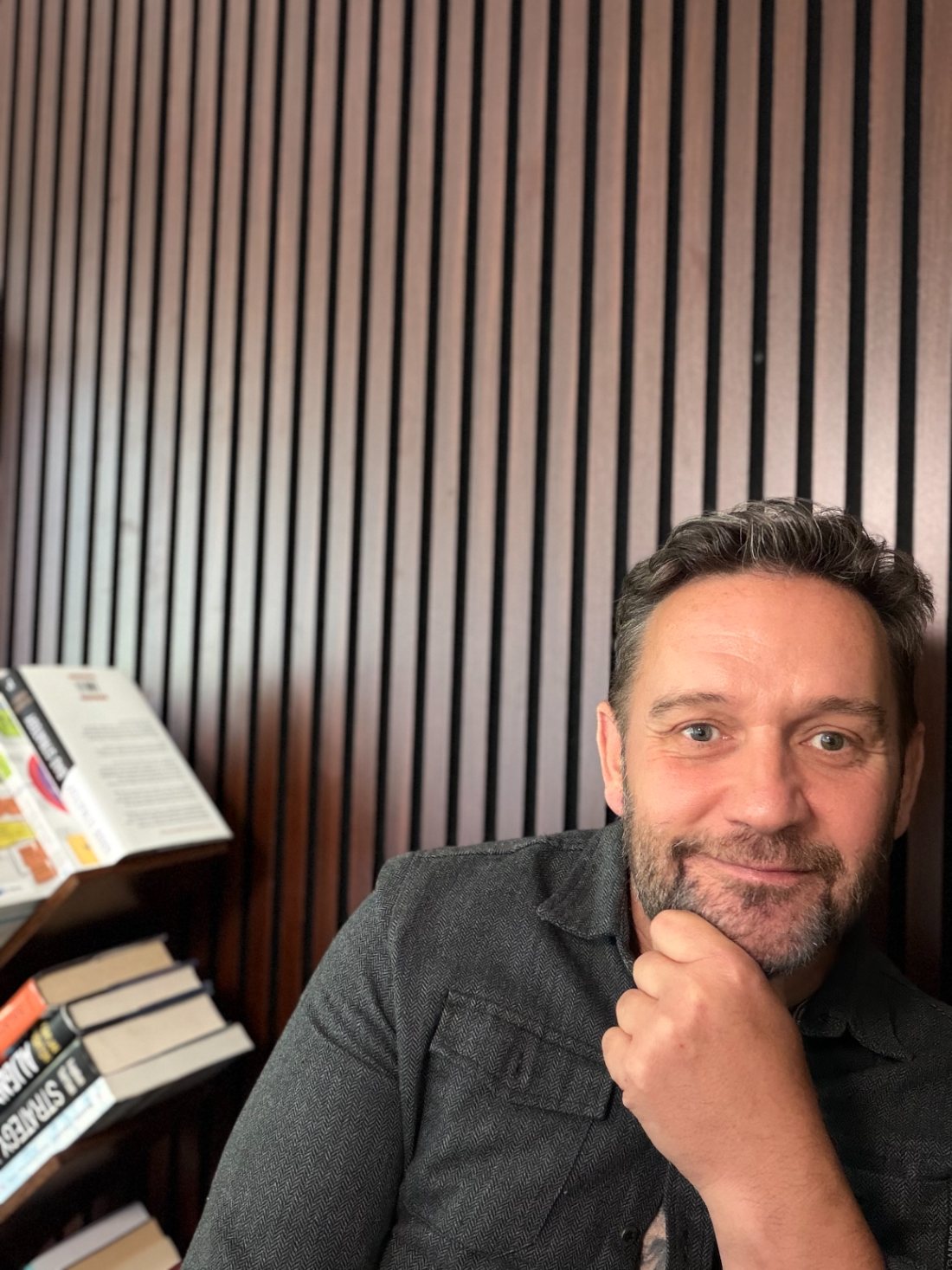
Matt Roberts, co-founder & lead consultant.
A two-time SaaS founder with a venture-backed exit, Matt has run planning workshops for leadership teams scaling from tens to thousands. He leads a team of eight senior consultants, so you get the right facilitator for the room.
Get your next planning day facilitated properly.
Tell us what's coming up and we will design the priming, the day and the follow-through around it.
Book a workshop